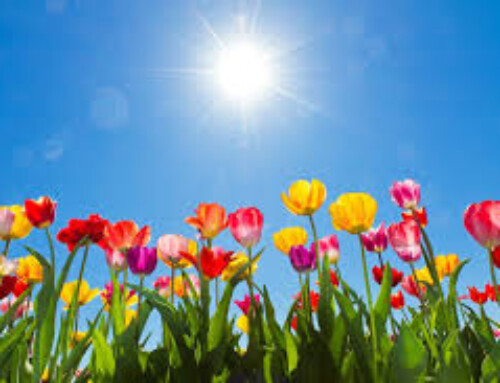

We’ve all heard the expression, ’April showers bring May flowers’ but did you know that botanicals can have a variety of uses besides just simply admiring their scent and beauty? In fact specific components of certain plants and flowers can provide us with relief from issues ranging from stress and anxiety, can help us to focus, and offer anti-microbial and anti-bacterial protection, to name just a few of their potential uses. How can we utilize certain plants to help and support us? By creating essential oils!
Essential oils (EO) are made by steaming or pressing various parts of a plant to capture the compounds that give the plant its unique fragrance. Those oils can then be inhaled, added to a lotion or carrier oil for direct application on the skin, or used in household products to clean and sanitize.
Some of the most commonly used essential oils are:
Lavender: those that take my yoga classes know that I love using lavender EO to create a calming balanced vibe at the end of our practice. Lavender is generally regarded as the most versatile EO. It is a natural antibiotic, antiseptic, and is an antidepressant. It is calming and cleansing for the emotions.
Eucalyptus: eucalyptus is known as the best overall EO for respiration and breathing. It opens nasal passages and can help minimize discomfort from respiratory ailments including sinusitis, cough and throat infections. It cannot be applied undiluted to the skin.
Tea Tree Oil: tea tree oil is the most antiseptic of all the EOs. Sometimes it is referred to as melaleuca. It’s is a trifecta of help, as it’s anti-bacterial, anti-viral, and anti-fungal. Tea tree oil is a powerful immune system stimulant, both strengthening and supporting the body’s own defense mechanisms. It is excellent for skin conditions ranging from rashes, insect bites, to promoting wound healing. It can be applied undiluted to the skin.
Peppermint: this essential oil is both energizing, refreshing and stimulating. Peppermint adds alertness and focus, providing both a cooling and invigorating sensation. Additionally it can be used for relieving stress, and can improve our concentration.
These benefits can be experienced only in pure essential oils, not in any manmade version of the fragrance.
Now that we have an idea of what essential oils do, here are some ideas on how to use them:
- Skin – apply topically by adding a few drops to lotions, oils, soap, compresses, shower gels or shampoos. Add to water with epsom salts for a foot bath.
- Room – clear and set your room tone by mixing your chosen essential oil with water and diffusing using a spray bottle. As you inhale the scent, it can provide a sense of well-being at home.
- Cleaning – combine vinegar (1 cup), water (2 cups), a few drops of your chosen essential oil (combine a couple of EOs if you’d like!), in a spray bottle. Shake well to mix. Clean!
- Night – Dot paper with essential oil drops and breathe in the fragrance. Put in pillow case or mist bedding to relax and ensure a restful night sleep.
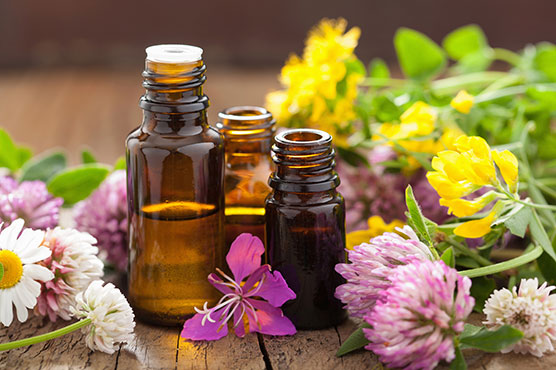
Essential oils may deteriorate in clear containers, so store in an amber or dark bottle. Some EOs break down with exposure to light so the dark color container will protect their aromatic properties. It’s important to consult with a healthcare professional before using essential oils, especially if you have any underlying health conditions or are taking any medications. Essential oils can interact with certain drugs and may cause adverse effects in some individuals.
Essential oils can positively improve your mood with just a whiff of their fragrance. They can aid in supporting your body to heal when needed. They can help naturally clean your home, reducing the use of harsh chemicals. This is only a small snapshot on essential oils and their uses, and is by no means a comprehensive list. Use these ideas to inspire you to elevate your wellbeing through aromatherapy.
Samantha Sidari is the founder of Yoga, Food and Mood, working with both individuals and corporations in their quest to live more healthfully through movement (yoga), food (health coaching, cooking classes) and mood (mindfulness). Learn more at www.YogaFoodandMood.com