

As the vibrant energy of summer fades, autumn arrives with its own distinct rhythm. The shorter days and cooler temperatures offer a natural opportunity for a “clean slate”—a perfect time to shed old, unhealthy habits and plant the seeds for new, more restorative ones. Transitioning your routine to align with the changing season can be a powerful way to boost your physical and mental well-being.
Adjust your sleep and daily routines
The end of daylight saving time can disrupt your internal clock, leading to fatigue. Counteract this by gradually adjusting your bedtime 15–20 minutes earlier in the weeks leading up to the time change. With the decrease in daylight, you may also find yourself naturally getting tired earlier, so listen to your body and prioritize getting 7–9 hours of sleep per night.
- Establish a wind-down routine.Create a ritual to signal to your body that it’s time for rest. This could include dimming the lights, reading a book, or writing in a journal.
- Limit screen time. The blue light from electronics can suppress melatonin, the hormone that regulates your sleep-wake cycle. Put devices away at least an hour before bed.
Nourish your body with seasonal foods
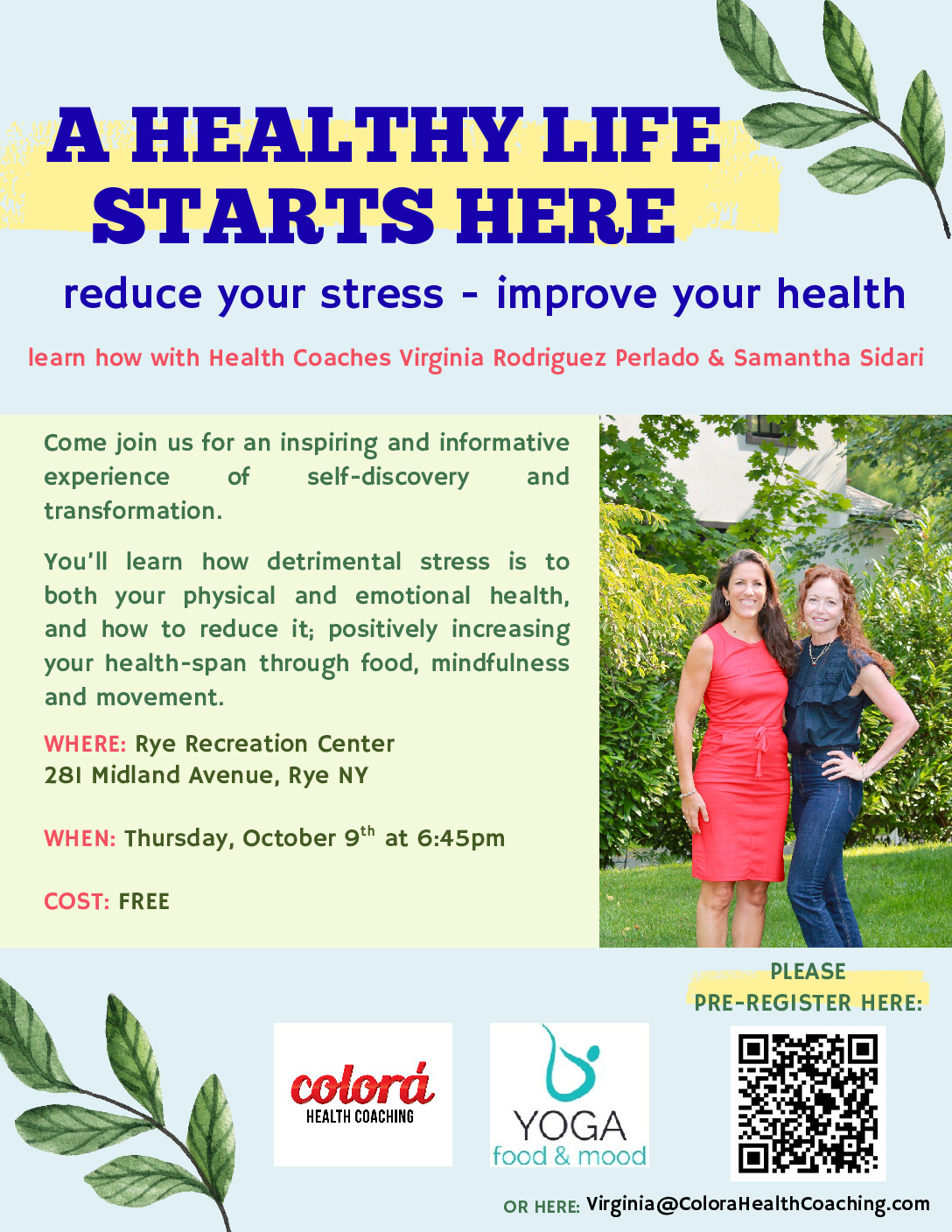
Fall is the harvest season, offering an abundance of fresh, nutrient-rich produce that can help support your immune system. My upcoming cooking class will focus on foods that help us transition to and balance the energy of the fall season.
- Incorporate seasonal ingredients.Warm up with hearty soups and stews made with autumn superfoods like pumpkin, sweet potatoes, apples, and root vegetables.
- Stay hydrated. Cooler temperatures can make you less mindful of your water intake. Continue to drink plenty of water or sip warm herbal teas to stay hydrated.
Stay active and embrace nature
Don’t let the cooling weather stop you from moving. Shorter days can make it tempting to stay indoors, but getting outside is a natural mood booster.
- Take advantage of the crisp air.Go for a hike to enjoy the changing foliage, take a brisk walk in the park, or enjoy other outdoor activities while the weather is still pleasant.
- Move indoors. When it’s too cold for outside activities, try indoor exercises like yoga :)) Pilates, or weight training.
Prioritize mental and emotional health
As summer gives way to a busier schedule, it’s essential to practice self-care and focus on your mental well-being.
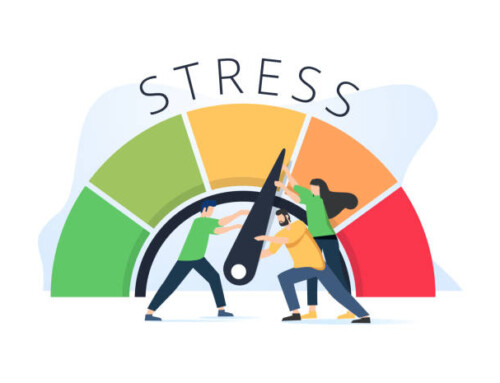
- Practice gratitude and mindfulness. Start a daily gratitude journal to reflect on the positive aspects of your life. Mindful practices like meditation can help reduce anxiety and stress.
- Embrace “hygge.” The idea of hygge comes from the Danish culture and relates to coziness and contentment. Find comfort in the simple things, whether it’s snuggling under a cozy blanket, lighting a candle with a calming scent, or gathering with loved ones for a home-cooked meal, or watch a football game!
Creating new habits is easier with a strategy, AND support.
When I work with my health coaching clients I emphasize starting small, and focusing on consistency. It’s also important to be patient with yourself. Change takes time! By mindfully adjusting your routines, you can welcome the change of seasons feeling more balanced, rested, and in tune with the world around you.
Samantha Sidari is the founder of Yoga, Food and Mood, working with both individuals and corporations in their quest to live more healthfully through movement (yoga), food (health coaching, cooking classes) and mood (mindfulness). Learn more at www.YogaFoodandMood.com